Meeting/Event Information
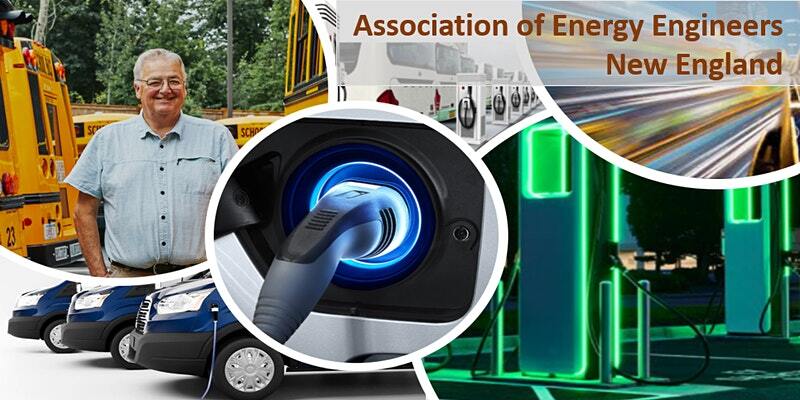
February 2022 - Fleet Electrification
February 2022 - Fleet Electrification
Free Zoom Meeting
Wednesday, February 9th at 1:30PM
Click Here to Register for Free
The economic opportunities associated with bus and fleet electrification are providing new, low-hanging fruit for industry, school bus transportation, energy managers and municipalities to address mounting pressures around carbon reduction goals. While this kind of transition might be on the minds and agendas of most of us in energy management, the complexities inherent in the economics and infrastructure, the financing and contract models, the costs of purchasing e-buses or fleet vehicles and the technical capacity needed to get a program off the ground may seem daunting or prohibitive to most communities or businesses. So how do you easily and efficiently make the transition?
Electrada and Highland Energy provide turnkey solutions to help manage fleet and school bus electrification respectively. They take care of it all and manage programs from top to bottom with no added up-front cost against diesel. Hear from Robert Gurman about how Electrada can simplify your commercial fleet transition economically and from Matt Stanberry at Highland Electric on how they make School Bus and municipal fleet electrification painless. Also, incentive programs are being updated in 2022 and promise to provide a great deal of support. Get an update on these programs from Paul Wassink, NGrid Senior Engineer and Distributed Energy Resource Manager. We look forward to seeing you virtually there!
Speaker Bios
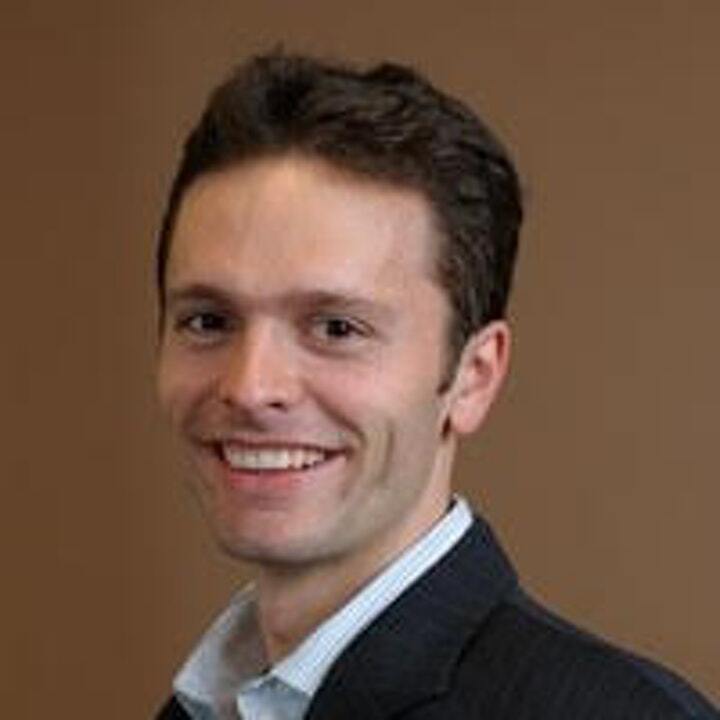
Matt Stanberry: Highland School Bus Electrification
As Managing Director, Market Development, Matt oversees go-to-market strategy, market and technology research, and policy development. Prior to joining Highland, Matt was part of the startup team behind the cleantech business association Advanced Energy Economy (AEE), where he built regulatory and legislative programs around transportation electrification, public utility commission policy, federal climate policy, and clean energy industry analysis. Before joining AEE, Matt was a consultant in Navigant’s Energy Practice and ICF International, where he focused on emerging technology market assessment, business strategy development, project development, and environmental impacts for private companies, federal and state agencies, military departments, and international organizations. Matt holds a B.A. in Environmental Science and Policy from Duke University and a Master’s in Public Health from Johns Hopkins University.

Robert Gurman: Commercial and Municipal Fleet Electrification
Robert is Managing Director for Business Development at Electrada, LLC (https://electrada.com/), whose mission is to provide the highest-performance, turnkey electric charging infrastructure solutions to commercial and public EV fleets. Mr. Gurman is an experienced commercial & finance professional in the vehicle electrification/clean mobility, clean energy, renewable energy, and project & infrastructure finance space, having been involved in over $34 billion of transactions in his 30+ year career. His most recent publication, "Taking Commercial Fleet Electrification to Scale: Financing Barriers and Solutions," was published by CALSTART (https://globaldrivetozero.org/publication/taking-commercial-fleet-electrification-to-scale-financing-barriers-and-solutions/). Mr. Gurman is a board member of Empire Clean Cities (https://www.empirecleancities.org/about.html).

Paul Wassink: National Grid Incentives
Paul Wassink is the Distributed Energy Resources Program Manager at National Grid. He develops and manages a portfolio of distributed energy resource (DER) programs that make the grid more sustainable. Current programs include commercial and industrial demand response, thermostats, batteries, electric vehicles, and solar inverters. He works with customers, installers, policy stakeholders, and grid operators to expand participation in the DER programs and evolve the programs to fully utilize DERs which lowers pollution, lowers cost, and increases equitability.
